


How Schools Should Plan Apparel Orders Without Delays

Updated: Aug 19
Most apparel orders that go wrong for schools don't fail because of the print shop. They fail because of timing, unclear artwork, or a size collection process that fell apart somewhere between the front office and the athletic department.
This guide covers the practical steps school administrators, athletic directors, and booster club leaders can take to ensure custom apparel for schools arrives on time, fits correctly, and doesn't create unnecessary stress.
The Real Timeline: 4-6 Weeks Minimum
If you need school shirts custom printed and delivered without problems, plan for a minimum of four to six weeks from your first contact with a print provider to delivery.
That timeline accounts for:
Design finalization and approval
Garment selection and availability checks
Production time
Shipping
Can it be done faster? Sometimes. But rushing an order introduces risk: wrong sizes, print quality issues, or garments that aren't available in time. If you're ordering for a specific event, back-date from that event and add a buffer.
Example timeline for a September 15 event:
August 1: Initial contact and design discussion
August 8: Final artwork approved
August 10: Size collection complete
August 12: Order placed
September 1-5: Delivery
September 8-12: Buffer for any issues
That buffer matters. It's the difference between a smooth handoff and a scramble.

Why School Apparel Orders Get Delayed
Understanding the common failure points helps you avoid them. Here's what actually causes delays:
1. Starting Too Late
This is the most common issue. A coach mentions they need warm-up shirts three weeks before the season starts. An administrator realizes spirit wear needs to be ready for homecoming with ten days to spare.
Late starts force compromises. You may not get your first choice of garment colors. Rush fees may apply. Quality checks get shortened. The order ships, but something's off.
2. Artwork Issues
Artwork problems cause more delays than most people realize. Common issues include:
Low-resolution logos that can't be printed cleanly
Designs that require color matching without Pantone references
Multiple rounds of revision because the design wasn't clearly communicated upfront
Missing fonts or files that need to be recreated
If you're providing artwork, make sure you have vector files (.AI, .EPS, or .PDF) or high-resolution images (300 DPI minimum). If you don't have these, a good print provider can recreate artwork: but that takes time.
3. Size Collection Problems
Collecting sizes from students, staff, or team members is where many orders stall.
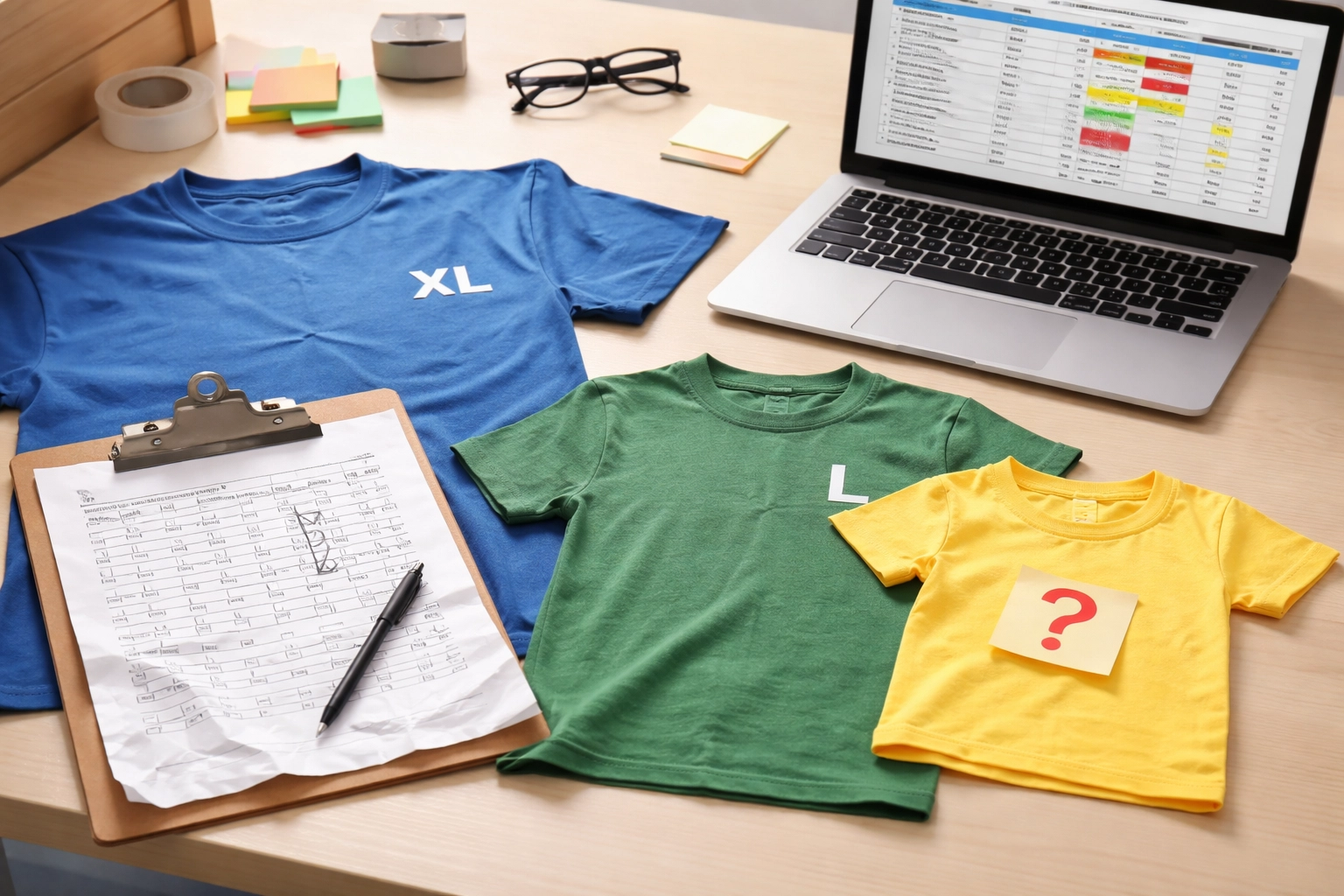
Paper forms get lost. Spreadsheets have errors. People forget to submit. Someone writes "medium" when they meant "youth medium." These small mistakes create big problems when boxes arrive and half the shirts don't fit.
A reliable process looks like this:
Use a digital form with clear size options (separate youth and adult sizes)
Set a firm deadline with no exceptions
Build in 2-3 extra shirts in common sizes for inevitable errors
Have one person responsible for collecting and verifying the final count
4. Communication Gaps
Orders go sideways when there's no single point of contact. The booster club president talks to the print shop, but the athletic director has different information. The front office approves a design the coach hasn't seen.
Designate one person to manage the order from start to finish. That person approves artwork, confirms sizes, and handles communication with the provider. Everyone else funnels through them.
A Practical Planning Framework
Here's a straightforward process you can adapt for any school apparel order:
Step 1: Define the Order (Week 1)
Before contacting any provider, answer these questions:
What's the event or purpose?
How many people need apparel?
What's the hard deadline for delivery?
What's the budget per piece?
Who is the single point of contact?
Having these answers ready speeds up every conversation that follows.
Step 2: Get Artwork Ready (Week 1-2)
If you have existing logos or designs, gather the files. If you need design work, factor that into your timeline.
For school shirts custom orders, most providers need:
School logo in vector format
Any specific text or names
Color preferences (ideally with Pantone codes if you have brand standards)
Placement preferences (left chest, full back, sleeve, etc.)
If you're unsure about any of this, a good provider will guide you through options. But the more prepared you are, the faster this step goes.
Step 3: Collect Sizes with a Hard Deadline (Week 2-3)
Set a deadline. Communicate it clearly. Stick to it.
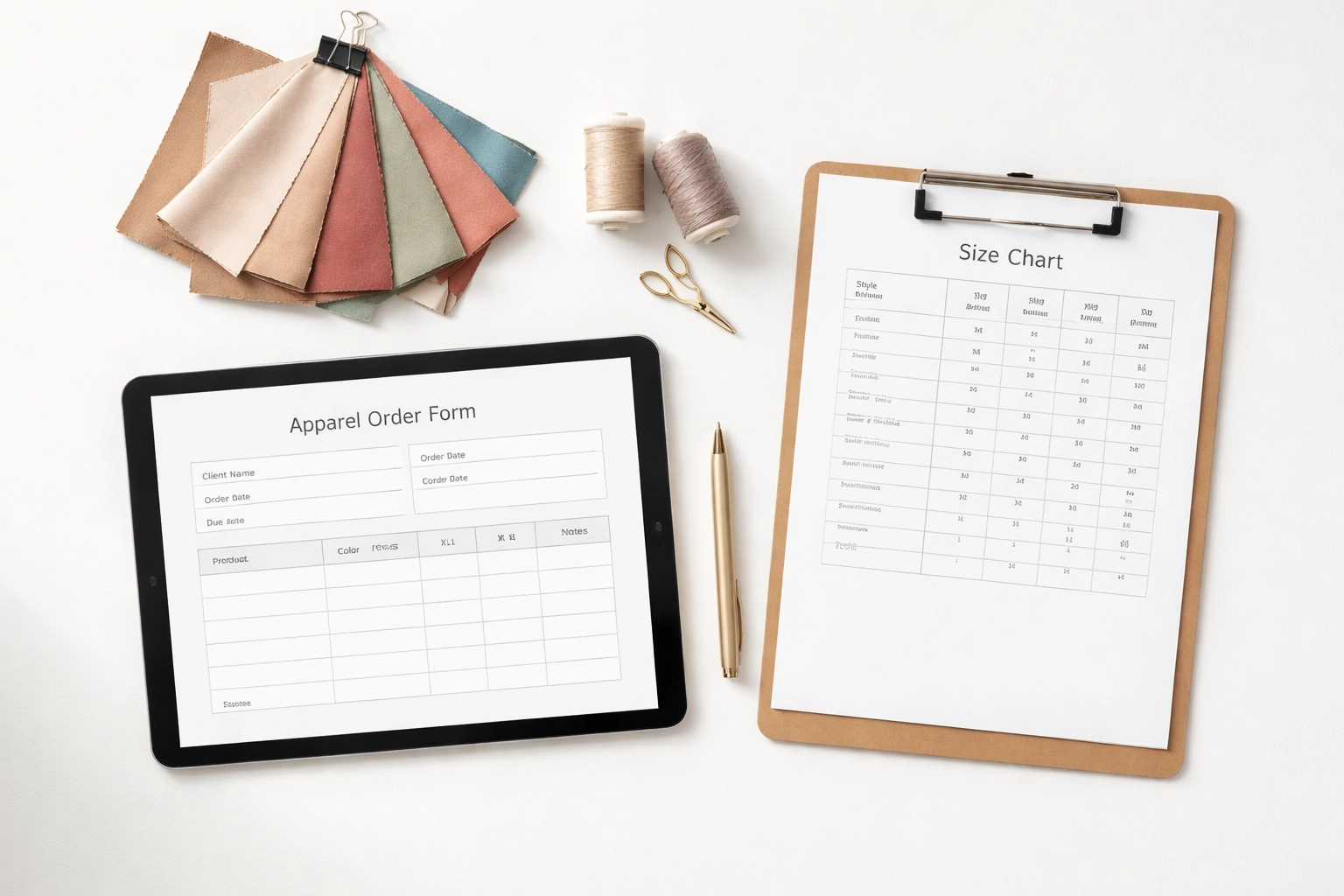
Use a simple online form: Google Forms works fine. List every size option explicitly. Include a note about how the garments fit (true to size, runs small, etc.) if your provider can give you that information.
When the deadline passes, finalize the count. Order 5-10% extra in your most common sizes if budget allows. This covers late additions and sizing mistakes.
Step 4: Place the Order and Confirm Details (Week 3)
Review everything before the order is placed:
Final artwork proof
Size breakdown
Garment style and color
Delivery address and date
Total cost
Get written confirmation. A good provider will send you a proof and order summary before production starts. Review it carefully. This is your last chance to catch errors.
Step 5: Receive and Distribute (Week 5-6)
Plan for delivery a few days before you actually need the apparel. Open boxes immediately and do a quick count. Check a few shirts from different sizes to verify print quality.
If there's an issue, you have time to address it before the event.
What to Look for in a School Apparel Provider
Not all print shops are set up to handle school orders well. When you're evaluating providers for custom apparel for schools, consider:
Communication responsiveness. Do they answer questions clearly and promptly? Schools have tight timelines and multiple stakeholders. A provider who takes three days to respond to emails will cause problems.
Proofing process. Do they send artwork proofs before production? Do they confirm order details in writing? This protects both parties.
Experience with schools. Providers who regularly work with schools understand the unique challenges: budget constraints, committee approvals, size collection headaches. They've seen the problems and know how to prevent them.
Realistic timelines. Be cautious of providers who promise extremely fast turnaround without asking questions. A reliable provider will tell you what's realistic and flag potential issues upfront.
Quality consistency. Ask about their print methods. Screen printing, DTF (direct-to-film), and embroidery each have different strengths. A good provider will recommend the right method for your specific order, not just the one that's easiest for them.
When Rush Orders Are Unavoidable
Sometimes you inherit a deadline you didn't set. A coach forgot to place an order. A new team forms mid-season. It happens.
If you're working with a compressed timeline:
Be upfront about your deadline from the first conversation
Simplify the design if possible (fewer colors, standard placements)
Be flexible on garment options: your first choice may not be available
Expect to pay rush fees
Accept that there's less margin for error
A good provider will be honest about what's achievable. If they say it can't be done well in your timeframe, believe them.
The Cost of Getting It Wrong
Delayed or problematic apparel orders create real consequences:
Teams without uniforms for games
Staff wearing mismatched sizes at school events
Frustrated parents who paid for shirts that arrived late
Administrators spending time fixing problems instead of running their schools
The time you invest in planning upfront saves significantly more time on the back end.
Planning Makes the Difference
School apparel orders don't need to be stressful. The schools that consistently get good results aren't lucky: they plan ahead, communicate clearly, and work with providers who understand their needs.
Start earlier than you think you need to. Get artwork organized before you reach out. Collect sizes with a firm deadline. Designate one point of contact. Build in buffer time.
These aren't complicated steps. They just require intention.
If you're planning custom apparel for schools and want it done right, we're happy to help. Even if you're early in the process and just have questions, feel free to reach out.
Ready for the next step? screen printing or embroidery.
Comments